Natural and organic perfumes have grown massively in popularity, not just as a trend, but as a conscious choice for people who want safer, cleaner, and skin-friendly fragrance options. Whether you prefer floral, citrus, woody, or oriental scents, choosing perfumes made with natural and organic ingredients can transform your fragrance experience. Here’s a deep dive into why these ingredients are becoming the preferred choice for fragrance lovers, and why brands like Rosa Salas Perfumes continue to adopt cleaner, more eco-conscious formulations.
Understanding Natural and Organic Perfumes
What Makes an Ingredient ‘Natural’ or ‘Organic’?
Natural ingredients come directly from plants, flowers, herbs, peels, resins, or woods. Organic ingredients go one step further: they are grown without synthetic pesticides or chemical fertilisers, making them a safer and purer choice.
How They Differ From Synthetic Fragrance Ingredients
Synthetic notes are manufactured in labs to mimic natural scents or create unique molecules. While they help with longevity, they may contain compounds that irritate sensitive skin or cause allergies. Natural fragrances, on the other hand, rely on authentic plant extracts that feel closer to nature.
Why Natural Perfume Ingredients Are Better for Skin

Reduced Risk of Irritation and Allergies
Natural and organic ingredients do not contain harsh chemical stabilisers or synthetic fixatives. This makes them suitable for sensitive skin or those prone to fragrance reactions.
Gentle on Sensitive and Reactive Skin Types
Essential oils and plant extracts often contain skin-soothing properties, lowering your chances of redness, itchiness, or irritation.
Environmental Benefits of Organic Fragrance Ingredients
Sustainable Sourcing & Eco-Friendly Production
The majority of organic fragrance ingredients come from farms that follow sustainable harvesting practices, which preserve soil health and reduce the use of harmful chemicals.
Lower Environmental Impact Compared to Synthetic Chemicals
Synthetic fragrances sometimes contain petroleum-based elements. Natural ingredients reduce environmental footprint and are generally biodegradable.
Aromatherapy Benefits and Mood-Enhancing Properties
Essential Oils and Their Emotional Effects
Natural fragrances offer therapeutic benefits. For example:
- Lavender helps promote relaxation and better sleep
- Citrus oils like bergamot uplift your mood
- Sandalwood brings a calming, grounded feeling
Natural Notes That Promote Calm, Energy, or Confidence
This is something synthetic scents cannot fully replicate: the emotional depth that comes from true botanical extracts.
Long-Term Health Benefits of Choosing Cleaner Fragrances
Avoiding Harsh Chemicals Found in Mass-Produced Perfumes
Many commercial perfumes contain compounds like phthalates or artificial stabilisers. Natural fragrances avoid these, offering a cleaner formulation.
Understanding Non-Toxic and Clean Fragrance Labels
Consumers today care about what they apply to their bodies. Clean perfumery prioritises transparency and minimal ingredient lists.
Natural vs. Synthetic Perfume Longevity
Does Organic Mean Shorter Wear Time?
Indeed, some natural perfumes may not last as long as synthetic-heavy ones. However, quality natural oils can still offer impressive longevity.
How to Improve Longevity Using Natural Fixatives
To make natural perfumes last longer, perfumers use plant-based fixatives such as:
- Resins (benzoin, myrrh)
- Woods (cedarwood, sandalwood)
- Vanilla bean extract
These extend the scent without using harmful chemicals.
Types of Natural Ingredients Used in Rosa Salas Perfumes

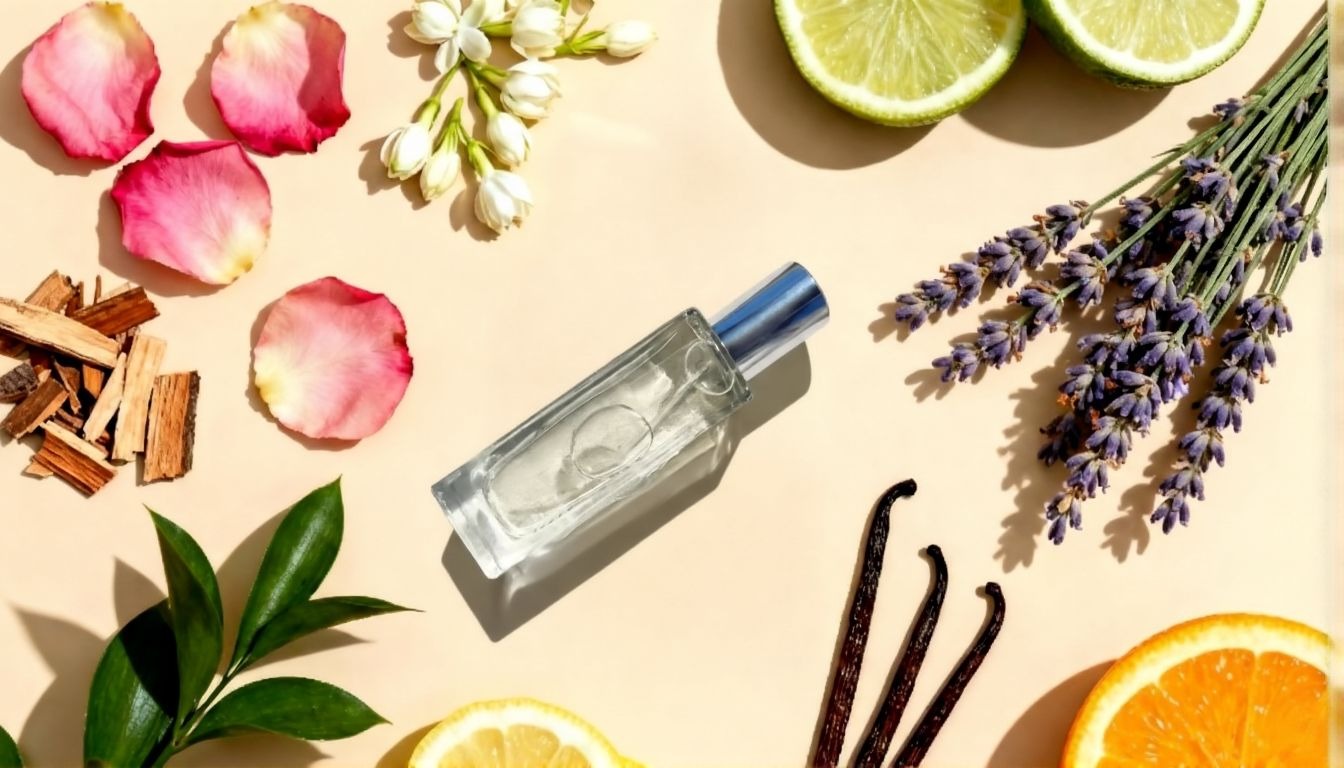
Floral Extracts (Rose, Jasmine, Lavender)
These offer fresh, elegant bouquets and are ideal for daily wear.
Citrus Oils (Bergamot, Lemon, Orange)
Perfect for energising and refreshing fragrance blends.
Herbal, Spicy & Woody Natural Notes
Ingredients like patchouli, amber, oud, and vetiver help create depth and warmth.
How To Choose the Right Natural Perfume for Your Skin
Matching Fragrance Families With Your Personal Preference
Your skin chemistry plays a major role in how natural scents perform. Choosing the right fragrance family (floral, woody, oriental, citrus) ensures you enjoy the scent throughout the day.
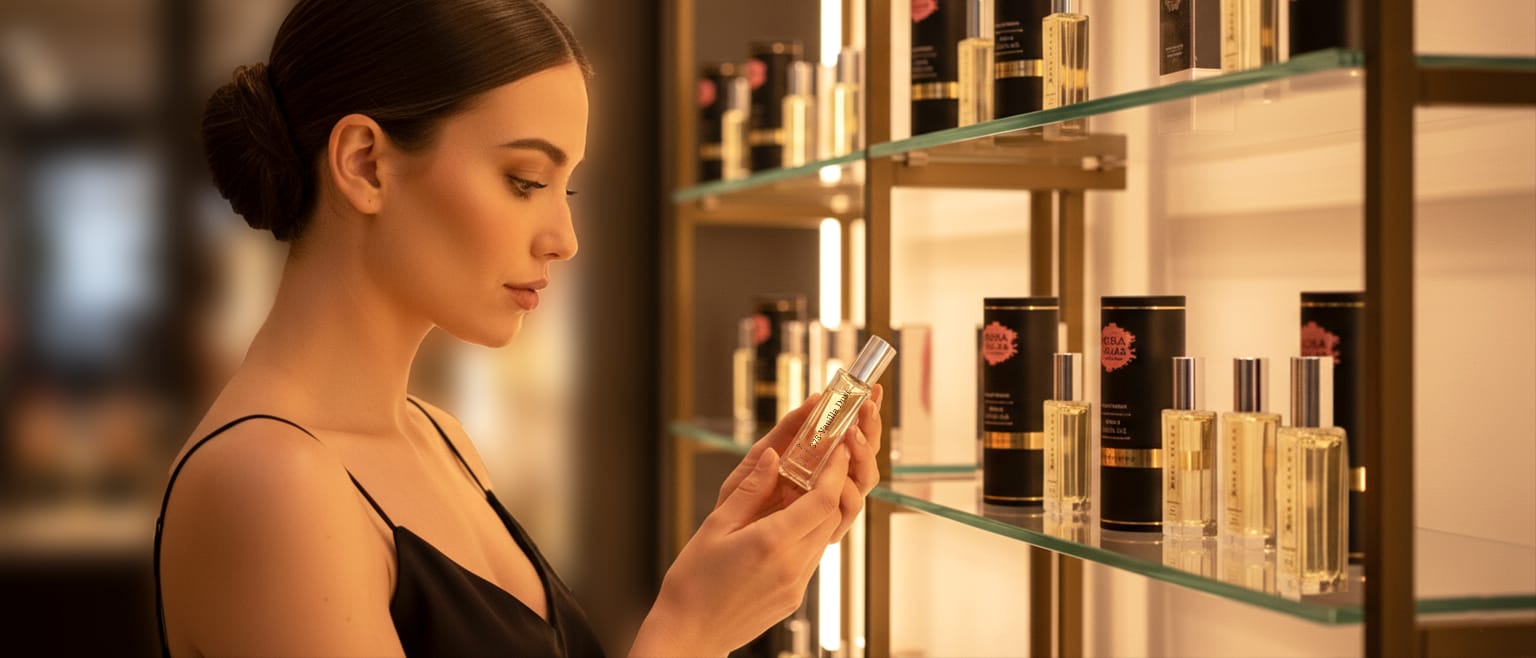
Tips for Testing Natural Perfumes on Your Skin
When sampling natural fragrances:
- Test on clean, moisturised skin
- Wait at least 10–15 minutes to allow notes to settle
- Observe how it reacts with your body’s chemistry
- Try small batches before committing to a full bottle
Why Rosa Salas Perfumes Offers Safe, High-Quality Fragrance Choices

Commitment to Skin-Friendly Ingredients
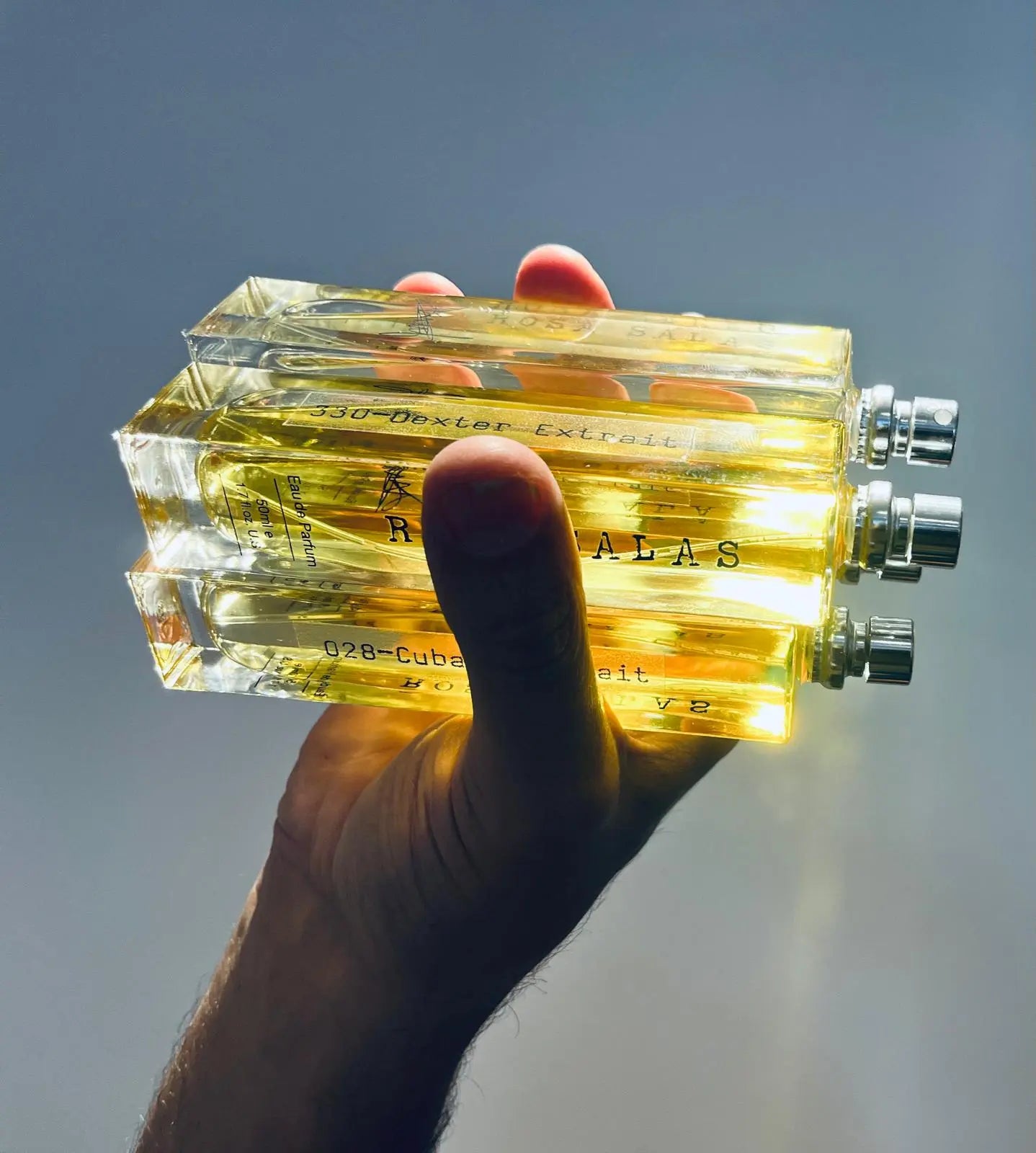
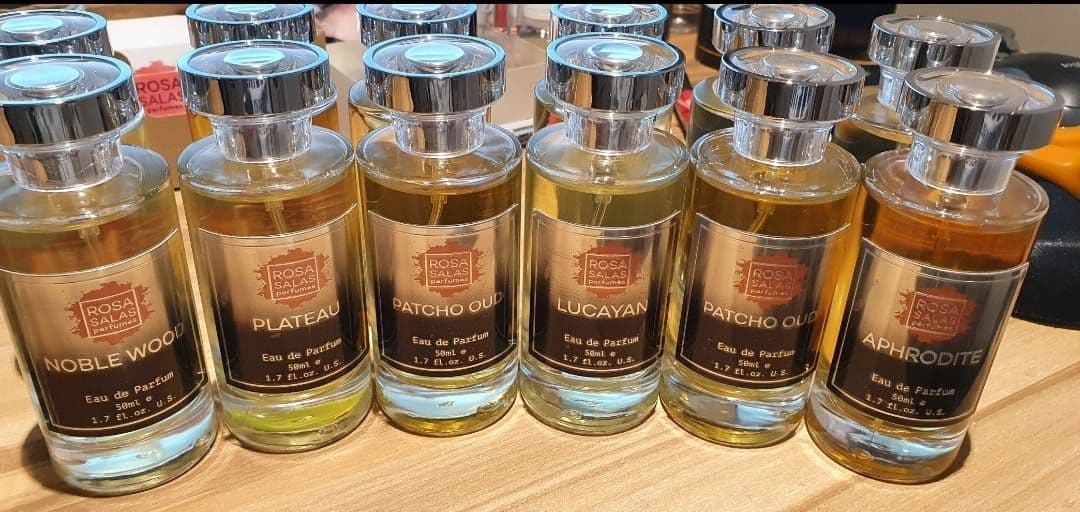
Rosa Salas Perfumes selects ingredients that balance luxury with purity. Many formulations use naturally inspired notes designed to be gentle on skin yet rich in character.
UK Standards for Quality and Ethical Sourcing
Being a UK brand, Rosa Salas adheres to strict formulation guidelines and sources high-quality materials to deliver perfumes that smell beautiful and feel safe for everyday wear.
Final Thoughts: The Future of Natural & Organic Fragrances
As more consumers become conscious about wellness, sustainability, and skin health, natural and organic perfume ingredients continue to grow in popularity. They offer a cleaner, more authentic scent experience backed by aromatherapy benefits, eco-friendliness, and skin safety.
For customers who want luxury perfumes crafted with care and quality, Rosa Salas Perfumes stands out as a trusted UK brand delivering thoughtful, beautifully balanced fragrances inspired by nature.
Frequently Asked Questions
1. Are natural and organic perfumes safer for sensitive skin?
Yes. Natural and organic perfumes typically avoid harsh chemicals, synthetic fixatives, and artificial preservatives, making them gentler and safer for sensitive or reactive skin types.
2. Do natural perfumes last as long as synthetic ones?
Not always. Synthetic perfumes often use chemical stabilisers that boost longevity. However, many natural perfumes use plant-based fixatives like resins, woods, and vanilla that still provide excellent wear time.
3. What is the difference between ‘natural’ and ‘organic’ perfume ingredients?
Natural ingredients come from plants and botanicals. Organic ingredients are natural too, but they are grown without pesticides or synthetic fertilisers—making them purer and more eco-friendly.
4. Are natural perfumes more expensive?
They can be, because extracting essential oils and organic botanical ingredients is more labour-intensive and costly. However, they also offer higher purity, authenticity, and overall skin benefits.
5. Can natural perfumes trigger allergies?
Although natural perfumes reduce the risk of irritation, some people may still react to certain essential oils like citrus or spicy notes. Patch-testing a small area of skin is always recommended.